
Biscuit
A twice-baked food, essential for travel and confectionery.

Casanovg · CC BY-SA 4.0
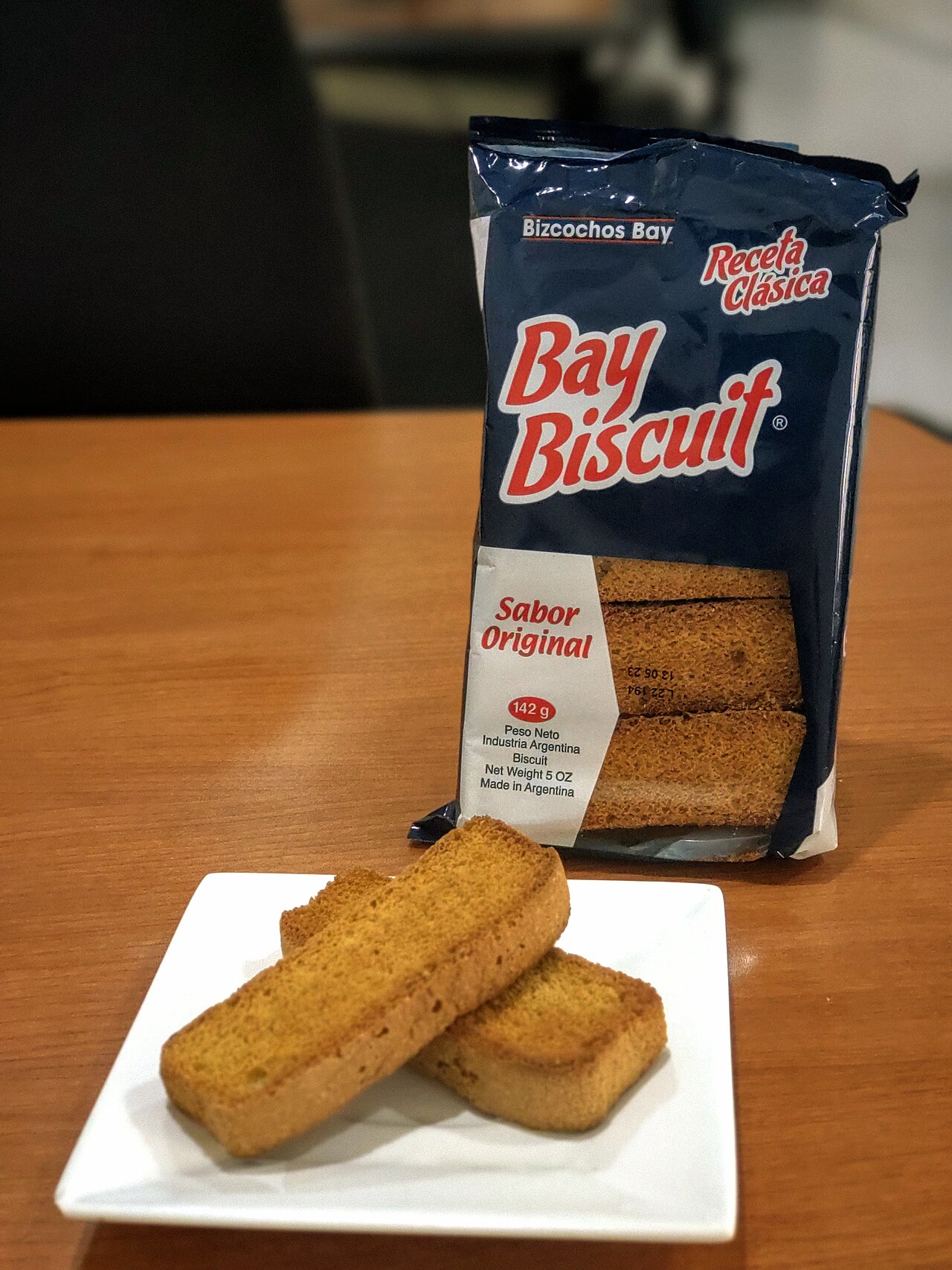
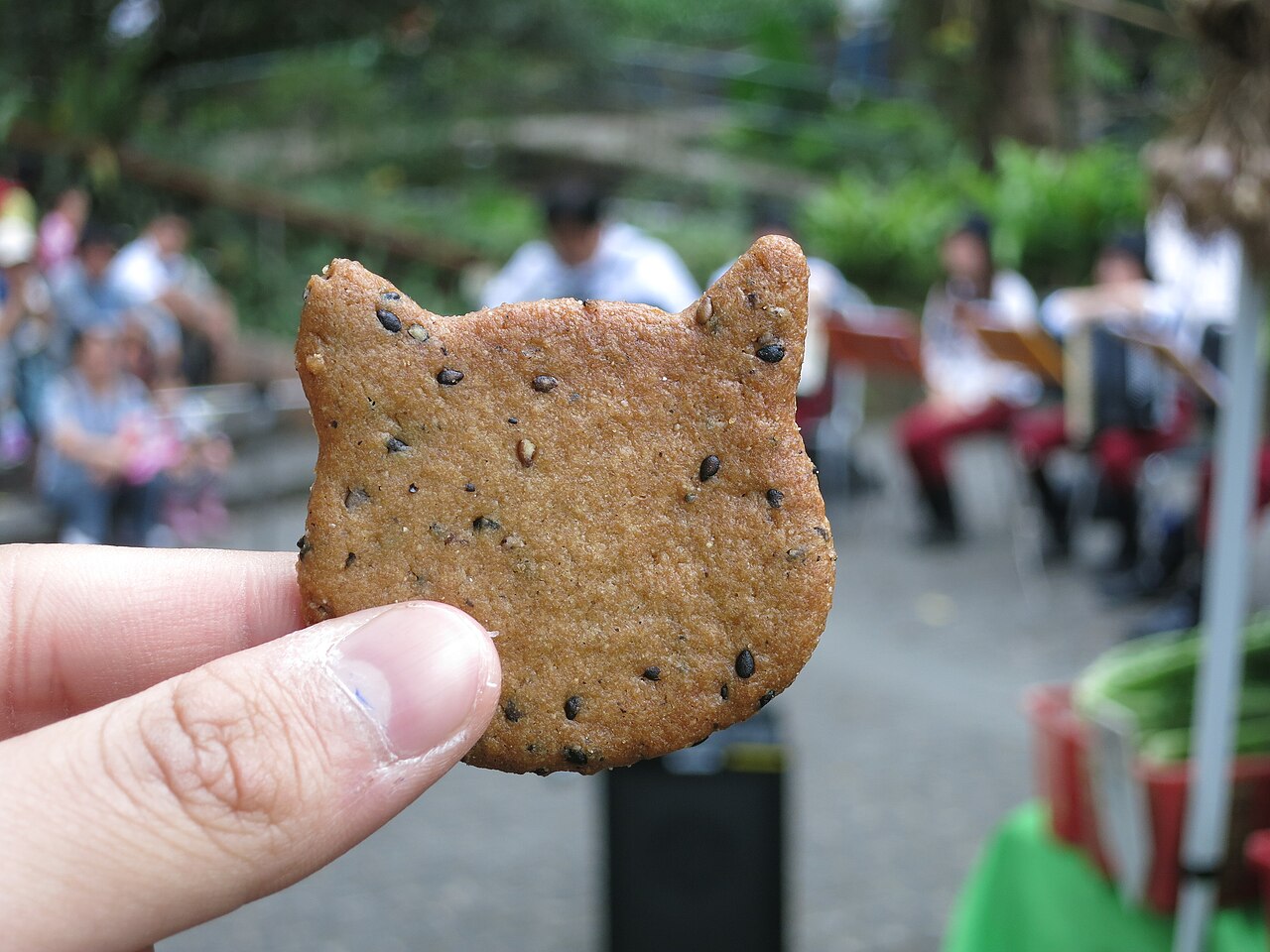
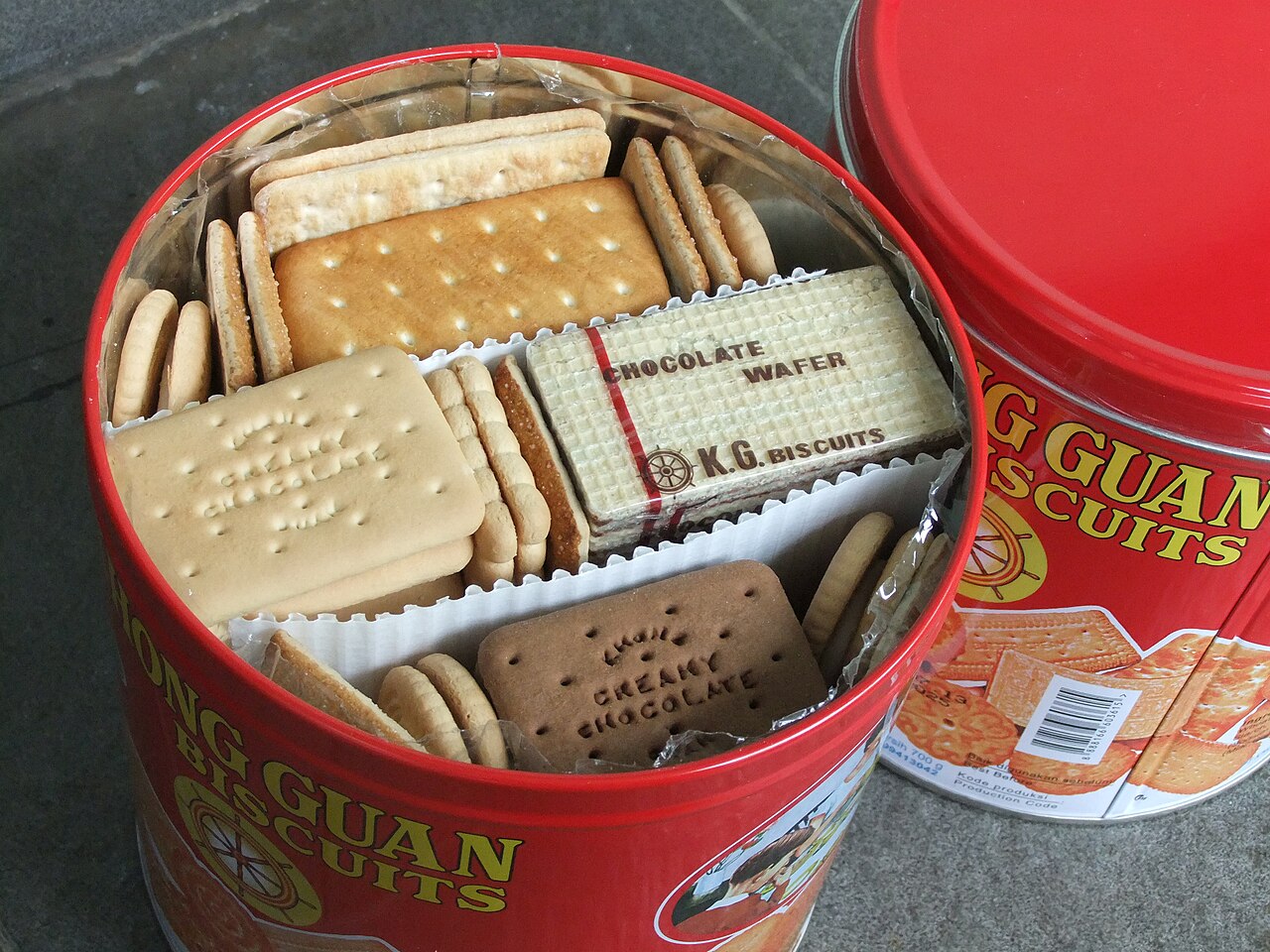
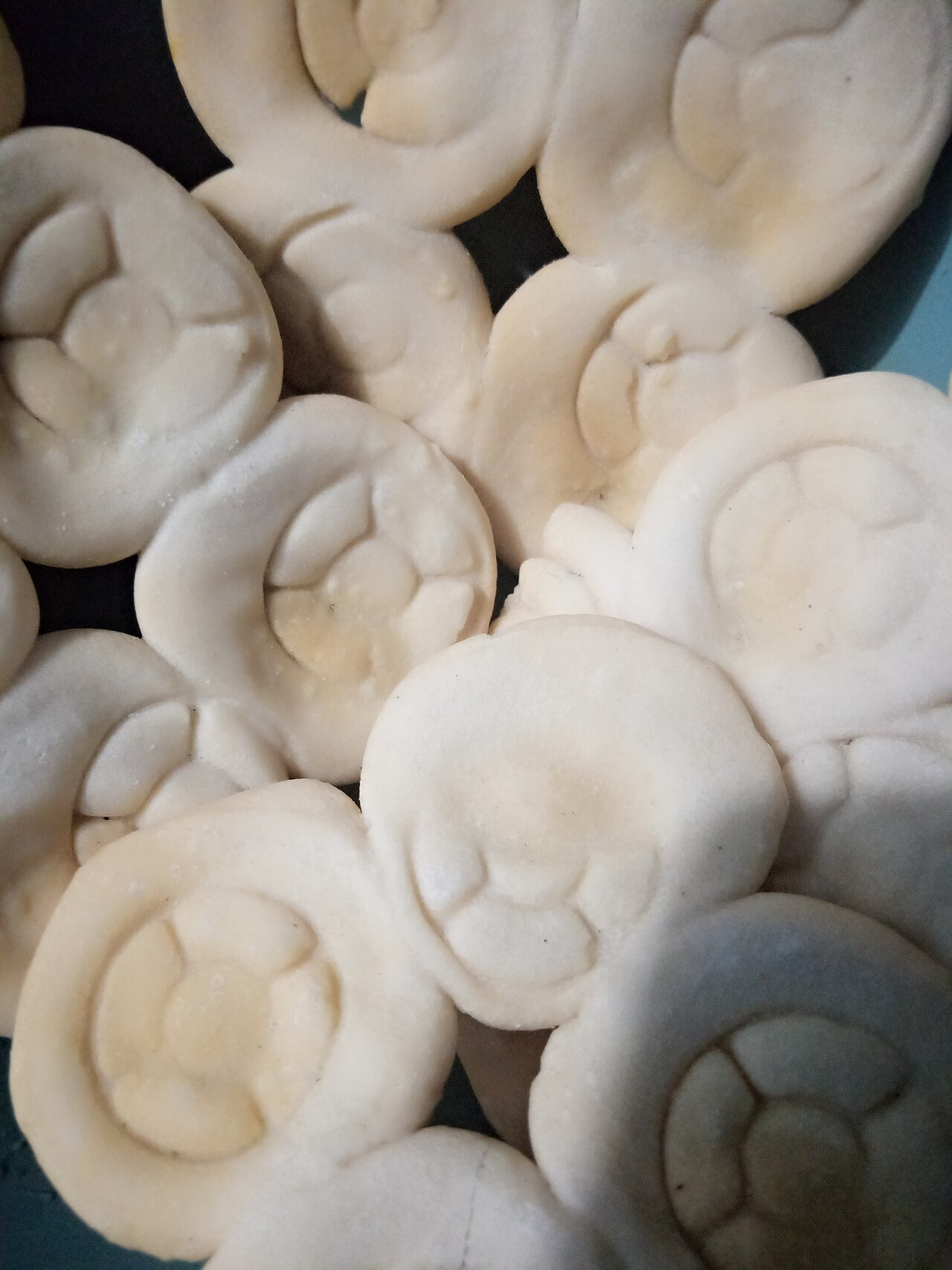
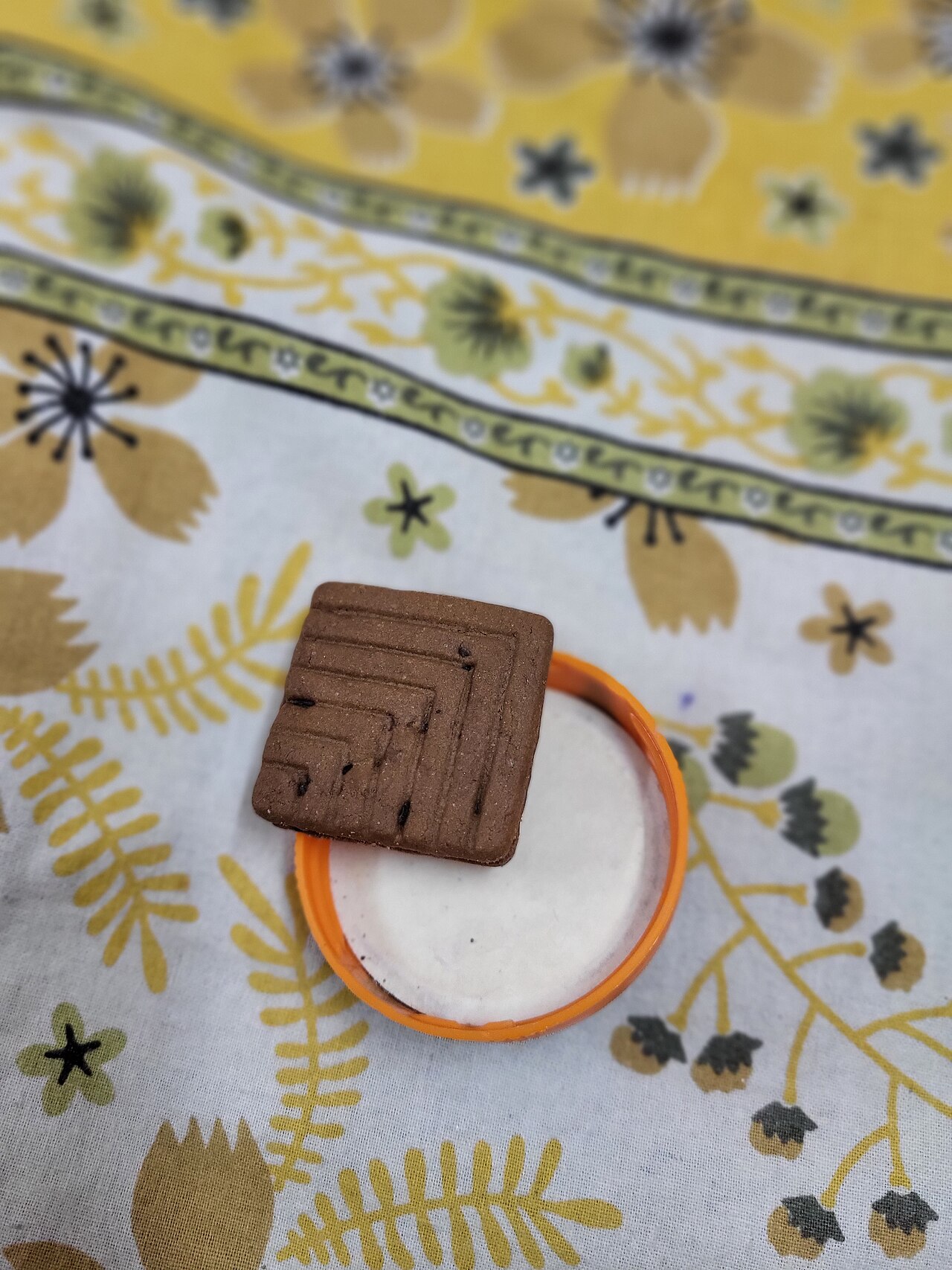
A biscuit is a flour-based baked food item, typically hard, flat, and unleavened. Usually sweet, biscuits may be made with sugar, chocolate, icing, jam, ginger, or cinnamon; savoury varieties are called crackers or biscuits for cheese. The term is used in many English-speaking countries, though in the United States and parts of Canada sweet biscuits are called cookies, flat savoury ones crackers, and 'biscuit' refers to a type of quick bread.
- type
- Flour-based baked food
- etymology
- From Old French 'bescuit', Latin 'bis' (twice) and 'coquere' (to cook), meaning twice-cooked
- earliest_known_use
- 4th century AD (mentioned in Sayings of the Desert Fathers)
- key_historical_role
- Staple for naval and military rations
- major_producers_19th_century
- McVitie's, Carr's, Huntley & Palmers, Crawfords
Lore & Background
Early biscuits were hard, dry, and unsweetened, often cooked after bread in a cooling oven as cheap sustenance. Egyptian sailors carried dhourra cake, a flat millet bread; Romans had buccellum. The Roman cookbook Apicius describes a paste of fine wheat flour boiled, dried, cut, fried, and served with honey and pepper. Many early physicians believed biscuits aided digestion, so daily consumption was considered healthy. Hardtack, baked four times for long voyages, could last years if kept dry and was often softened by dunking in brine or coffee.
Reader's Guide
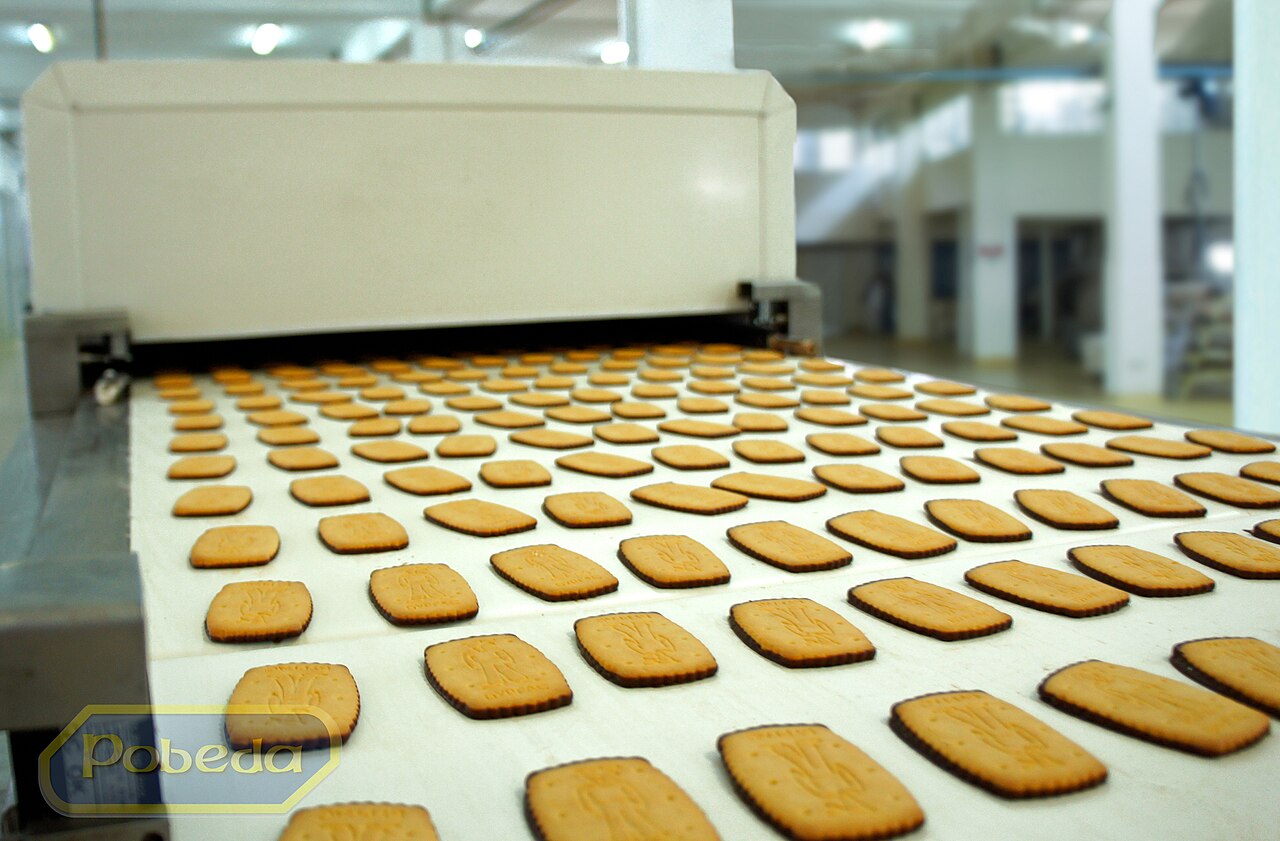
Biscuits have been crucial for long journeys, especially at sea. By Queen Victoria's reign, hardtack was machine-made at Gosport, stamped with the Queen's mark and oven number. The hexagonal shape saved material and eased packing. In South Asia, biscuits were introduced during the British colonial period, becoming popular among Sylheti Muslims, though some Hindus initially distrusted them.
Did You Know?
- The word 'biscuit' comes from Latin 'bis' (twice) and 'coquere' (to cook), meaning twice-cooked.
- Royal Navy hardtack during Queen Victoria's reign was stamped with the Queen's mark and the oven number.
- The first documented trade of gingerbread biscuits dates to the 16th century, sold in monastery pharmacies and town squares.
Gallery
Frequently Asked Questions
What exactly is a biscuit?
A biscuit is a flour-based baked item that is typically hard, flat, and unleavened. They come in both sweet varieties (with sugar, chocolate, icing, ginger, or cinnamon) and savoury ones, the latter sometimes called crackers or cheese biscuits.
Where does the word 'biscuit' come from?
The term traces back to Old French 'bescuit,' which itself derives from Latin 'bis' (twice) and 'coquere' (to cook), literally meaning 'twice-cooked.' This reflects the traditional method of baking the dough and then drying or baking it a second time to extend its shelf life.
How do Americans use the word 'biscuit' differently from the British?
In the United States and parts of Canada, 'biscuit' refers to a soft, leavened quick bread rather than the hard, flat baked item used elsewhere in the English-speaking world. Sweet baked goods that other countries call biscuits are called cookies in America, while flat savoury versions are called crackers.
Why were biscuits so important to the military and navy?
Their hard, flat, unleavened structure made them extremely shelf-stable, which is why they became a staple ration for sailors and soldiers. This practical durability is what gave them their 'twice-cooked' identity and kept them in constant demand for centuries.
Which companies dominated biscuit production in the 19th century?
Four firms—McVitie's, Carr's, Huntley & Palmers, and Crawfords—were the major producers shaping the modern biscuit industry during that era. They helped transform what had been a simple travel food into the wide range of sweet and savoury confectionery we recognize today.
More in Food And Drink 1-24
Elsewhere in the Food And Drink universe
Spotted an error? Know more?
This is a living reference — every entry is fact-audited, and reader corrections feed straight into our audit queue. Suggest an edit · See this site's audit record