
Fast food
Mass-produced food designed for speed and commercial resale.

KODJOME Romaric · CC BY-SA 4.0
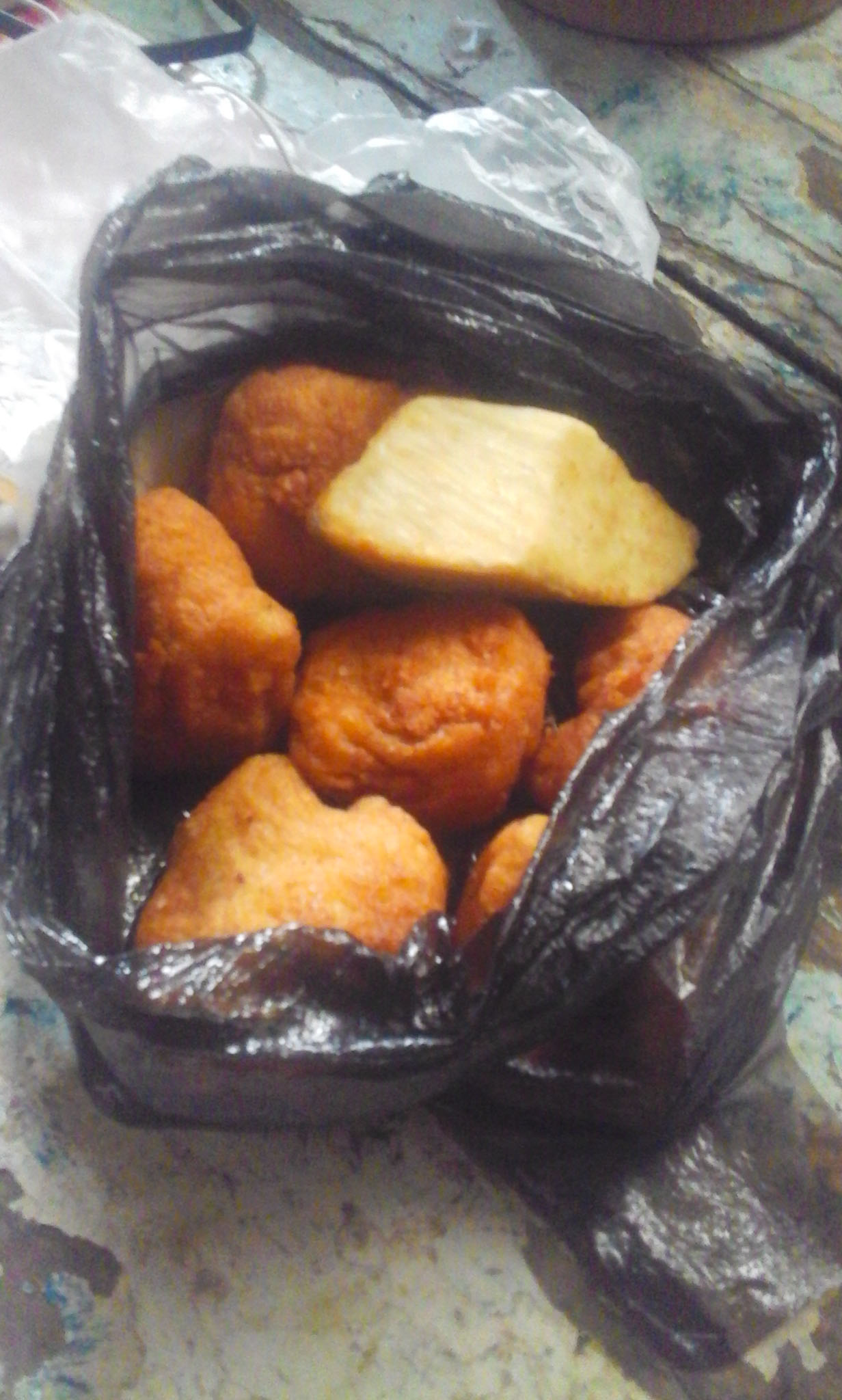
Fast food is a type of mass-produced food designed for commercial resale, with a strong priority placed on speed of service. It is a commercial term limited to food sold in a restaurant or store with frozen, preheated or precooked ingredients and served in packaging for take-out or takeaway. Fast food was created as a commercial strategy to accommodate large numbers of busy commuters, travelers and wage workers.
- field
- Food service industry
- known_for
- Mass-produced, speed-oriented food sold for take-out
- earliest_known_predecessor
- Ancient Rome street stands
- largest_national_industry
- United States
Lore & Background
The concept of ready-cooked food for sale is closely connected with urban developments. Homes in emerging cities often lacked adequate space or proper food preparation accoutrements, and procuring cooking fuel could cost as much as purchased produce. Frying foods in vats of searing oil proved dangerous, as homeowners feared a rogue cooking fire might easily conflagrate an entire neighborhood. Thus, urbanites were encouraged to purchase pre-prepared meats or starches whenever possible. In Ancient Rome, cities had street stands with a large counter and a receptacle in the middle from which food or drink would have been served. During the post-WWII American economic boom, Americans began to spend more and buy more as a culture of consumerism bloomed. The large-scale entry of married women into the workforce occurred later, in the 1960s and 1970s, and eating out, previously considered a luxury, became a common occurrence and then a necessity. Workers and working families needed quick service and inexpensive food for both lunch and dinner. The traditional family dinner is increasingly being replaced by the consumption of takeaway fast food. As a result, the time invested on food preparation is getting lower, with an average woman in the United States spending 37 minutes per day preparing food and the average man spending 17 minutes per day in 2013. Howard Johnson's first franchised the restaurant concept in the mid-1930s, formally standardizing menus, signage and advertising.
Reader's Guide
Fast food has had a profound impact on global eating habits, urban life, and the food industry. Its development is closely tied to urbanization, as city dwellers often lacked kitchen facilities or time to cook, making pre-prepared meals a necessity. The post-WWII economic boom in the United States accelerated this trend, as dual-income households sought quick, inexpensive meals. However, fast food has also been linked to significant health concerns. Many fast foods tend to be high in saturated fat, sugar, salt and calories. Fast-food consumption has been linked to increased risk of cardiovascular disease, colorectal cancer, obesity, high cholesterol, insulin resistance conditions and depression. These correlations remain strong even when controlling for confounding lifestyle variables, suggesting a strong association between fast-food consumption and increased risk of disease and early mortality. In the United States, worries of an obesity epidemic have inspired many local government officials to propose limiting or regulating fast-food restaurants. Yet, US adults are unwilling to change their fast food consumption even in the face of rising costs and unemployment, suggesting an inelastic demand. The industry employs approximately 5.4 million U.S.
Did You Know?
- In Ancient Rome, cities had street stands with a large counter and a receptacle in the middle from which food or drink would have been served.
Roots Before the Hamburger Boom
The story of quick-service dining stretches far beyond the American hamburger. As early as 1896, a self-service establishment called the Stollwerck-Automatenrestaurant opened on Berlin's Leipziger Straße, and just three years later, Yoshinoya began serving fast food in Tokyo. In the United States, Joseph Horn and Frank Hardart launched their first Automat in Philadelphia in 1902, a cafeteria where prepared dishes sat behind small glass windows and customers retrieved meals through coin-operated slots. Their 1912 location at Broadway and 13th Street in New York City became a sensation, spawning numerous imitators nationwide and remaining a fixture through the 1920s and 1930s. The company even popularized the idea of take-out food with the slogan "Less work for Mother." Meanwhile, White Castle, which began as food stands in Wichita, Kansas in 1916 and was formally founded in 1921, sold five-cent hamburgers and made the first serious push to standardize every aspect of hamburger restaurant production, appearance, and daily operations. Between 1923 and 1932, the White Castle System built the industry's first supply chain for meat, buns, and paper goods, pioneered multi-state chain operations, and even created a construction division that manufactured prefabricated restaurant buildings—foundations that would later underpin the entire fast-food industry.
The Speedee Service System
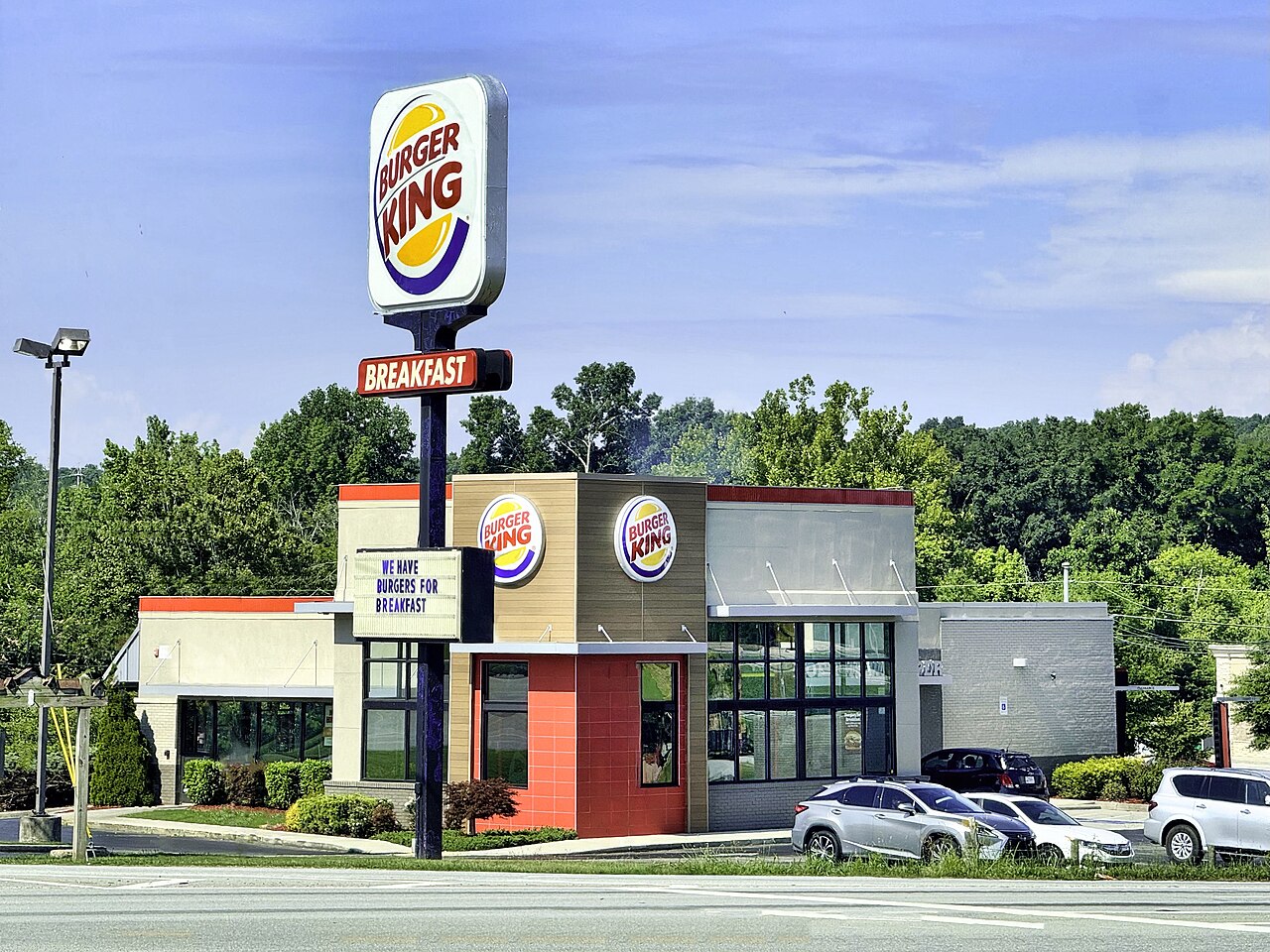
Two brothers from Nashua, New Hampshire, Richard and Maurice McDonald, opened a barbecue drive-in in San Bernardino, California, in 1940. After noticing that the bulk of their revenue came from hamburgers rather than the rest of their menu, they shut the restaurant down for three months and reopened it in 1948 as a walk-up stand with a deliberately narrow lineup: hamburgers, french fries, shakes, coffee, and Coca-Cola, all served in disposable paper wrapping. Because the menu was so limited, the kitchen could cook continuously without waiting for individual customer orders, and each item was ready the moment a customer arrived. A hamburger cost just fifteen cents—roughly half what a typical diner would charge. The brothers called this streamlined production method the "Speedee Service System," and its logic drew directly from Henry Ford's production-line innovations. The system's influence proved enormous: it became the template that Ray Kroc would later scale into a global franchise, and it also inspired James McLamore, who had visited the original stand and recognized the potential of assembly-line-based food production when he and partner David Edgerton invested in what would become Burger King.
Ray Kroc and the Franchise Machine
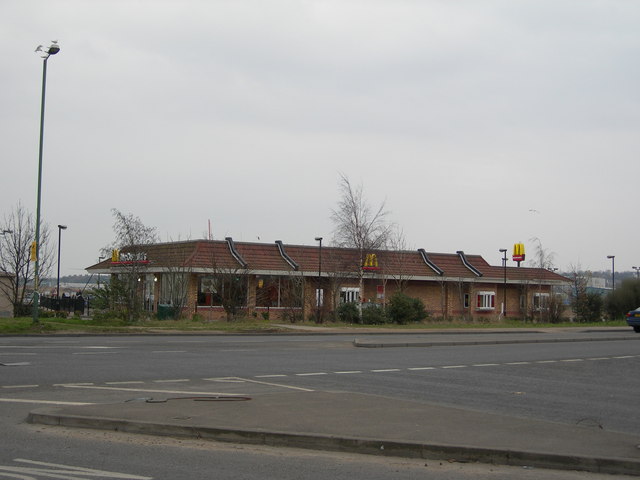
By 1954, the McDonald brothers' San Bernardino stand had become the single largest buyer of milkshake blending machines from equipment manufacturer Prince Castle, ordering nearly a dozen units where a typical restaurant might stock one or two. That anomaly caught the attention of Prince Castle salesman Ray Kroc, who traveled to California to investigate. Impressed by the operation's success, Kroc signed a franchise agreement with the brothers and began opening McDonald's locations in Illinois. By 1961, he had purchased the brothers' stake entirely, creating the modern McDonald's Corporation. Central to Kroc's vision was a relentless emphasis on cleanliness, aimed at a growing American public increasingly aware of food-safety concerns. He personally hosed down garbage cans and scraped gum off the cement at his Des Plaines, Illinois, outlet. He also incorporated large expanses of glass so customers could watch food being prepared—a practice still visible at chains like Krispy Kreme. Beyond hygiene, Kroc designed his restaurants to appeal specifically to suburban families, a strategic choice that set McDonald's apart from competitors and became a cornerstone of its long-term success.
Global Reach and Evolving Formats
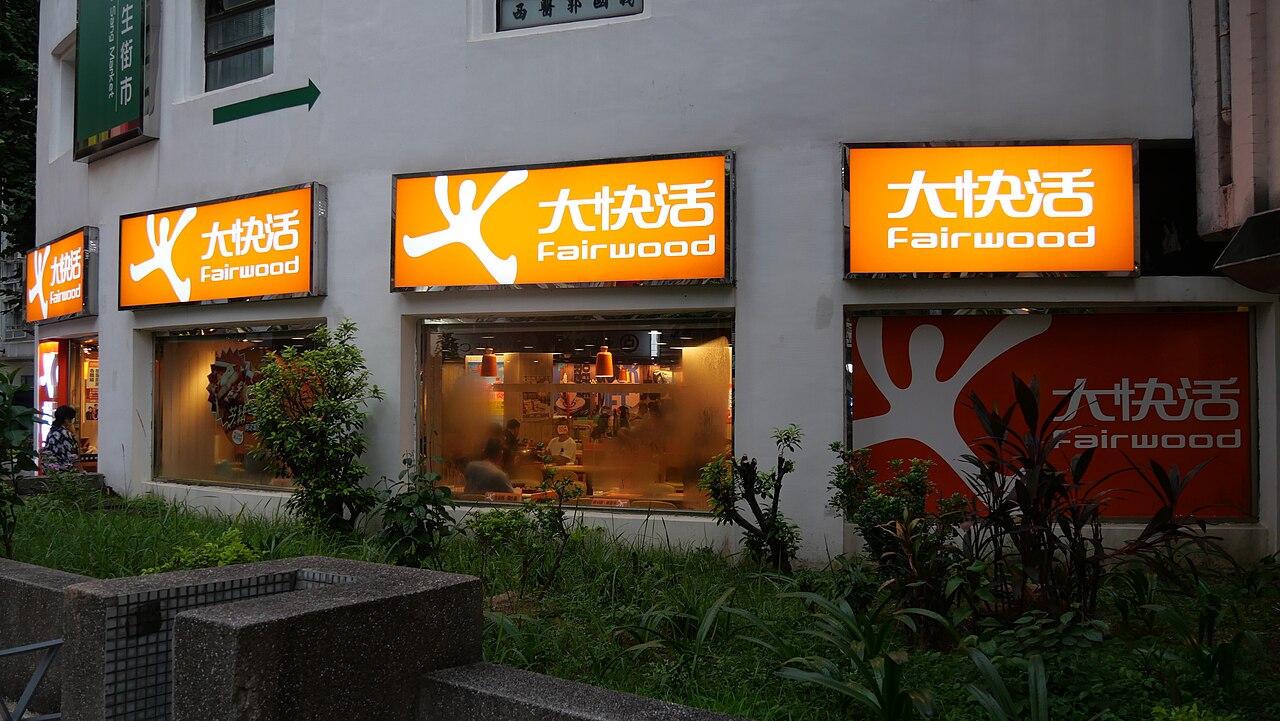
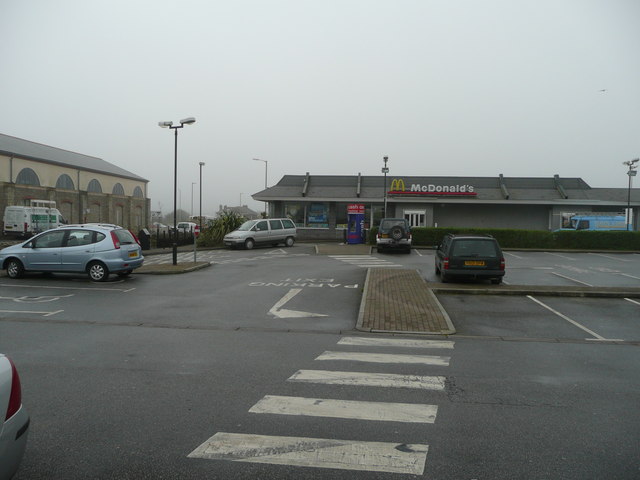
The phrase "fast food" was formally recognized by Merriam-Webster in 1951, but the concept it describes had already been operating for decades. In its classic form, a quick-service restaurant—known within the industry as a QSR—serves a limited menu of meat-and-sweet dishes that are cooked in bulk, held hot, and finished or packaged only when an order comes in. Meals are typically meant for take-away, though seating may be available, and table service is minimal. Most of these outlets operate as part of a chain or franchise, with standardized ingredients and partially prepared foods delivered through controlled supply channels. Today, American-founded brands like McDonald's (established 1940) and KFC (established 1952) run as multinational corporations with locations worldwide, while Yoshinoya, which opened in Tokyo in 1899, demonstrates that the model predates American fast food by decades. The concept has also spawned variations: fast-casual restaurants blend counter-service with a higher sit-in ratio, offering a middle ground between a QSR and a full table-service dining room, while catering trucks—often called food trucks—park near worksites and have become a popular lunch option for factory workers.
Gallery

Frequently Asked Questions
What exactly is fast food?
Fast food refers to mass-produced meals built around speed of service, typically prepared from frozen, preheated, or precooked ingredients and handed over in packaging meant for take-out. It is a commercial term tied specifically to restaurant or store settings rather than home cooking.
Why was fast food invented in the first place?
It emerged as a commercial strategy to feed large numbers of busy commuters, long-distance travelers, and wage workers who needed a meal quickly without waiting for full-service dining.
What sets fast food apart from other restaurant categories?
The defining constraint is speed: ingredients are pre-prepared so that meals can be assembled and served in minimal time, and the format is almost always take-out or takeaway rather than dine-in. This distinguishes it from casual or fine dining, where preparation and presentation take longer and are served at the table.
More in Food And Drink 25-31
Elsewhere in the Food And Drink universe
Spotted an error? Know more?
This is a living reference — every entry is fact-audited, and reader corrections feed straight into our audit queue. Suggest an edit · See this site's audit record