
Baking
A dry-heat cooking method used to prepare bread and other foods.

Mubeen743 · CC BY-SA 4.0
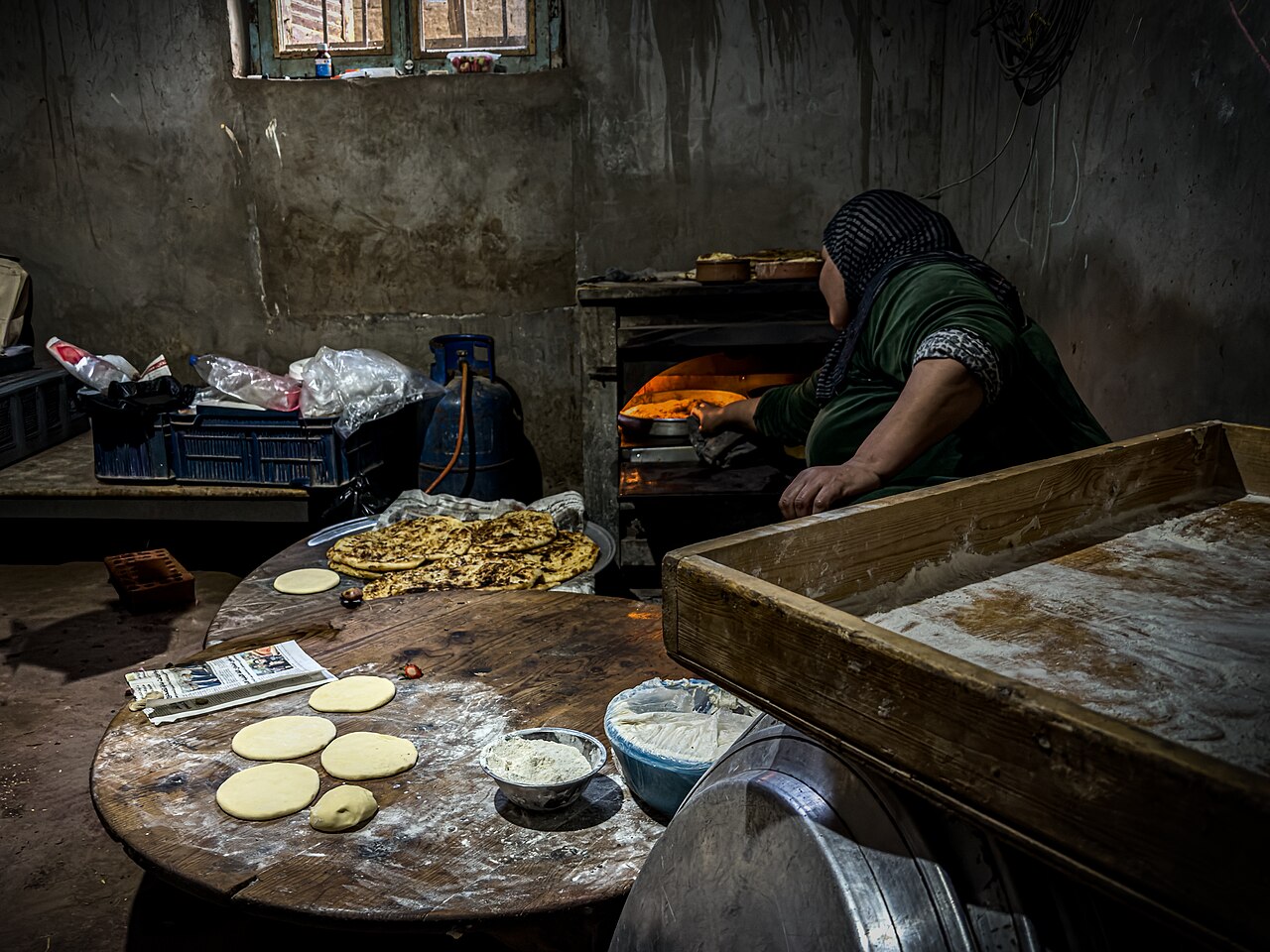
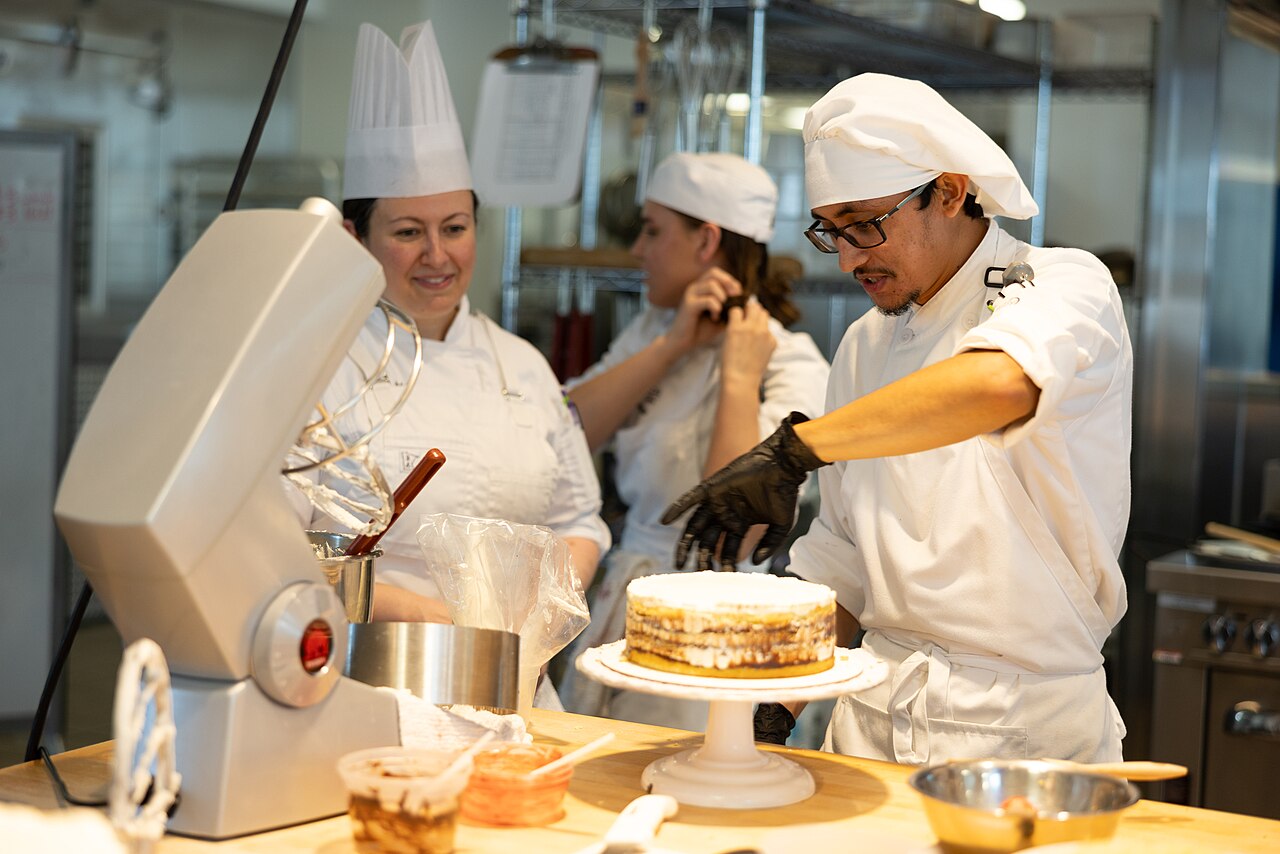
Baking is a method of preparing food using dry heat, typically in an oven, hot ashes, or on hot stones. It is one of the oldest cooking techniques, with the earliest known form occurring when humans soaked wild grass grains, mashed them into a paste, and cooked it on a flat, hot rock. The most commonly baked food is bread, and baking has traditionally been performed at home, in bakeries, and in restaurants, later becoming industrialized with automated machinery in large factories.
Lore & Background
Baking has been practiced since ancient times. The earliest known form involved taking wild grass grains, soaking them in water, and mashing the mixture into a broth-like paste, which was then poured onto a flat, hot rock. Later, humans roasted the paste on hot embers. The Ancient Egyptians later developed yeast-leavened bread, using techniques they had previously employed for brewing beer. Baking flourished during the Roman Empire. The pastry cook became a recognized occupation for Romans, known as a 'pistor' or 'pastillarius', though the exact date this profession emerged is not widely established. Cato wrote about the diverse foods they created, including libum, placenta, spira, scibilata, savillum, and globus apherica. The Romans baked bread in an oven with a flue for smoke ventilation, rather than a separate chimney structure, and had mills to grind grain into flour. A bakers' guild, the Collegium Pistorum, was established in Rome, though the exact founding date is uncertain and it was a guild for bakers rather than specifically pastry chefs. By the 13th century in London, commercial baking was heavily regulated. The Assize of Bread regulated the weight and price of loaves, while a later local London ordinance required bakers to mark their loaves with a seal. Beginning in the 19th century, alternative leavening agents like baking soda became more common. Bakers often sold goods from handcarts or in streets, and in Paris, the first open-air café of baked goods was developed. Baking eventually became a commercial industry using automated machinery.
Reader's Guide
It imparts richness through caramelization and surface browning. The technique is used for a wide variety of foods, including bread, cakes, pastries, pies, tarts, quiches, cookies, scones, crackers, pretzels, pizzas, baked potatoes, baked apples, baked beans, casseroles, and pasta dishes like lasagne. Meats can also be baked, often with protective methods such as en croûte (in a pastry crust) or en papillote (in parchment). Baking is related to barbecuing because the masonry oven is similar to a smoke pit. Baking has deep historical roots, from ancient grain-paste cooking to the Roman Empire's professional pastry chefs and the establishment of bakers' guilds. It remains a fundamental skill important for nutrition, as baked goods, especially bread, are common and important foods economically and culturally. The profession of preparing baked goods is called a baker. The art of baking continues to evolve, with techniques such as the bain-marie for delicate custards and careful temperature control for soufflés and baked Alaska.
Did You Know?
- The earliest known form of baking involved soaking wild grass grains, mashing them into a paste, and cooking it on a flat, hot rock.
- By the 13th century in London, commercial baking was subject to many regulations, including the Assize of Bread which regulated weight and price, while a later local London ordinance required bakers to mark their loaves
- Baking can be combined with grilling to produce a hybrid barbecue variant by using both methods simultaneously or one after the other.
Historical Roots of Baking in Northern Ireland
The baking traditions of Northern Ireland trace back to the staple diet of farming families across generations, where bread and potatoes formed the backbone of daily sustenance. For centuries, local bakers worked within tight constraints: limited ingredient availability and minimal immigration meant that regional baking remained relatively isolated from broader international culinary currents. This isolation, while restrictive in variety, allowed a distinct regional identity to develop organically. The use of baking soda as a rising agent—seen in soda bread first baked in the 1800s—reflects a practical, resourceful approach to leavening that became deeply embedded in local practice. The result was a baking culture defined by necessity and ingenuity rather than abundance, producing breads that were hearty, simple, and deeply tied to the rhythms of rural life. What began as survival cooking gradually calcified into a proud culinary heritage.
The Bread Pantry
Northern Ireland's griddle breads represent a rich tapestry of baking techniques passed down through communities. Potato bread, also called fadge or tatie bread, is a flat bread combining potato, flour, and buttermilk, cooked directly on a griddle. Soda bread stands as perhaps the most iconic, a soft, thick, and fluffy loaf first baked in the 1800s using baking soda for leavening, typically served alongside an Ulster fry with butter and jam or savoury accompaniments like smoked salmon and fried eel. Wheaten bread offers a brown, whole-wheat counterpart, sweetened in contrast to its savoury white sibling. Veda bread is a small, soft, caramel-coloured malted loaf enjoyed toasted with butter alongside a cup of tea. The Belfast bap is a large, crusty yet soft roll traditionally filled with sausages, bacon, and egg. Barmbrack, a yeast bread studded with sultanas and raisins and often flavoured with whiskey, is tied to Halloween celebrations. A plain loaf, dense and white with a dark, well-fired crust on top and bottom, rounds out this diverse bread landscape.
Cakes, Confections, and Sweet Baking
Beyond bread, Northern Ireland's sweet baking tradition carries its own distinctive character. Fifteens is a soft tray-bake cake whose name derives from using fifteen of each main ingredient—marshmallows, digestive biscuits, and cherries. The gravy ring is a ringed, dark-coloured, slightly crunchy doughnut dusted in sugar, its name rooted in the archaic Ulster use of the word gravy to mean cooking oil. Paris buns, an Ulster-Scots specialty, are sweetened bread-like cakes resembling scones, roughly cone-shaped and topped with pearl sugar. The Florence cake is a Madeira-style confection covered in glace icing with a glace cherry on top, presented in a pastry case spread with raspberry jam. Cream horns are horn-shaped puff pastries filled with sweetened cream. Yellowman, a crunchy golden confectionery resembling honeycomb, is mainly sold at local sweetshops, fairs, and markets. These treats reflect a baking culture where local identity, seasonal ingredients, and community tradition converge in sweet form.
A Modern Culinary Renaissance
While Northern Ireland's baking heritage was long shaped by scarcity and isolation, recent decades have witnessed a remarkable transformation in the region's food scene. The local cuisine has seen significant developments characterised by a marked increase in the variety, quantity, and quality of gastropubs and restaurants. Two Michelin-starred restaurants now operate in Northern Ireland, both specialising in traditional dishes prepared with local ingredients—a testament to how old baking and cooking traditions are being reinterpreted through a contemporary lens. This renaissance has not erased the past but rather elevated it, positioning the region's breads, stews, and confections within a broader narrative of culinary pride. The abundance of seafood drawn from the lengthy coastline and large loughs, the local cheeses like Blue Rathgore and Coleraine Cheddar, and the continued popularity of the Ulster fry all demonstrate how deeply rooted traditions continue to thrive alongside modern innovation.
Gallery
Frequently Asked Questions
What is Baking?
Baking is a dry-heat cooking method that uses an oven, hot ashes, or heated stones to prepare foods. It is one of the oldest known techniques for turning raw ingredients into edible meals.
What is Baking's signature creation?
Bread is the most iconic and commonly baked product, making it the dish most fans associate with the method. While other items can be baked, bread remains the cultural centerpiece of the craft.
Where does Baking typically take place?
Traditionally, baking happens in home kitchens, dedicated bakeries, and restaurant kitchens. Over time it expanded into large industrial factories equipped with automated machinery for mass production.
Why is Baking considered a foundational entry in the Food and Drink canon?
Baking represents one of humanity's earliest deliberate cooking techniques, bridging raw foraged grains and prepared food. Its long history and universal presence make it a cornerstone of the entire culinary encyclopedia.
More in Food And Drink 1-24
Elsewhere in the Food And Drink universe
Spotted an error? Know more?
This is a living reference — every entry is fact-audited, and reader corrections feed straight into our audit queue. Suggest an edit · See this site's audit record