
Alcoholic beverage
Alcoholic beverages are drinks containing alcohol, consumed for psychoactive effects.

Kurt Kaiser · CC0
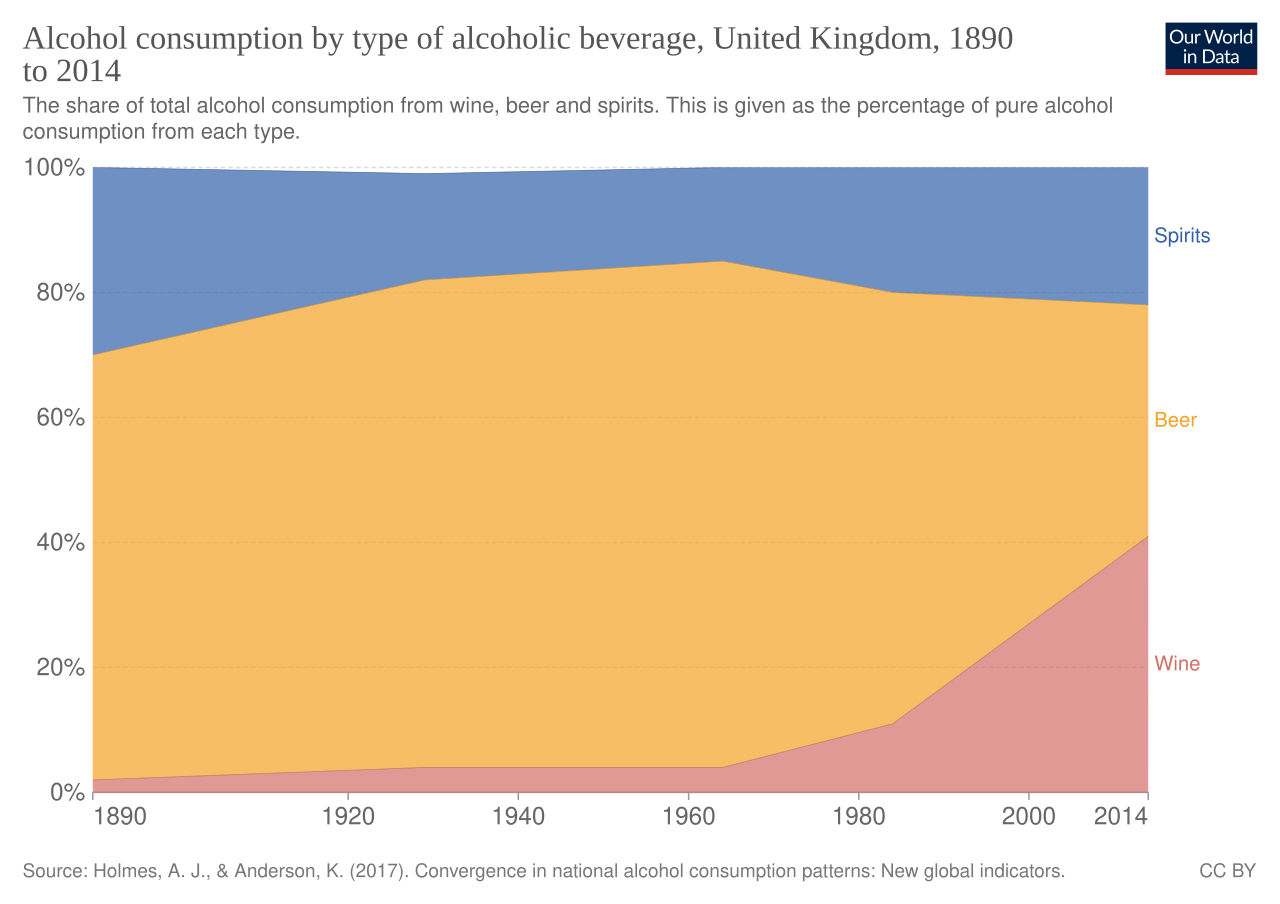
An alcoholic beverage (also called an alcoholic drink or strong drink) is any drink that contains alcohol. Alcoholic beverages are typically divided into three classes: beers, wines, and spirits; with alcohol content typically between 3% and 50%. The exact amount on which a beverage is considered alcoholic differs by country, with some considering drinks containing less than 0.5% to be non-alcoholic. These beverages are primarily consumed for the psychoactive effects that they produce. Many societies have a distinct drinking culture, in which alcoholic drinks are integrated into parties. Most countries have laws regulating the production, sale, and consumption of alcoholic beverages. Some regulations require the labeling of the percentage alcohol content (as ABV or proof) and the use of a warning label. Some countries ban the consumption of alcoholic drinks, but they are legal in most parts of the world. The temperance movement advocates against the consumption of alcoholic beverages. Several other animals are affected by alcohol similarly to humans and, once they consume it, will consume it again if given the opportunity; however, humans are the only species known to produce alcoholic drinks intentionally.
- field
- Alcoholic beverages
- alcohol_content_range
- 3% to 50%
Lore & Background
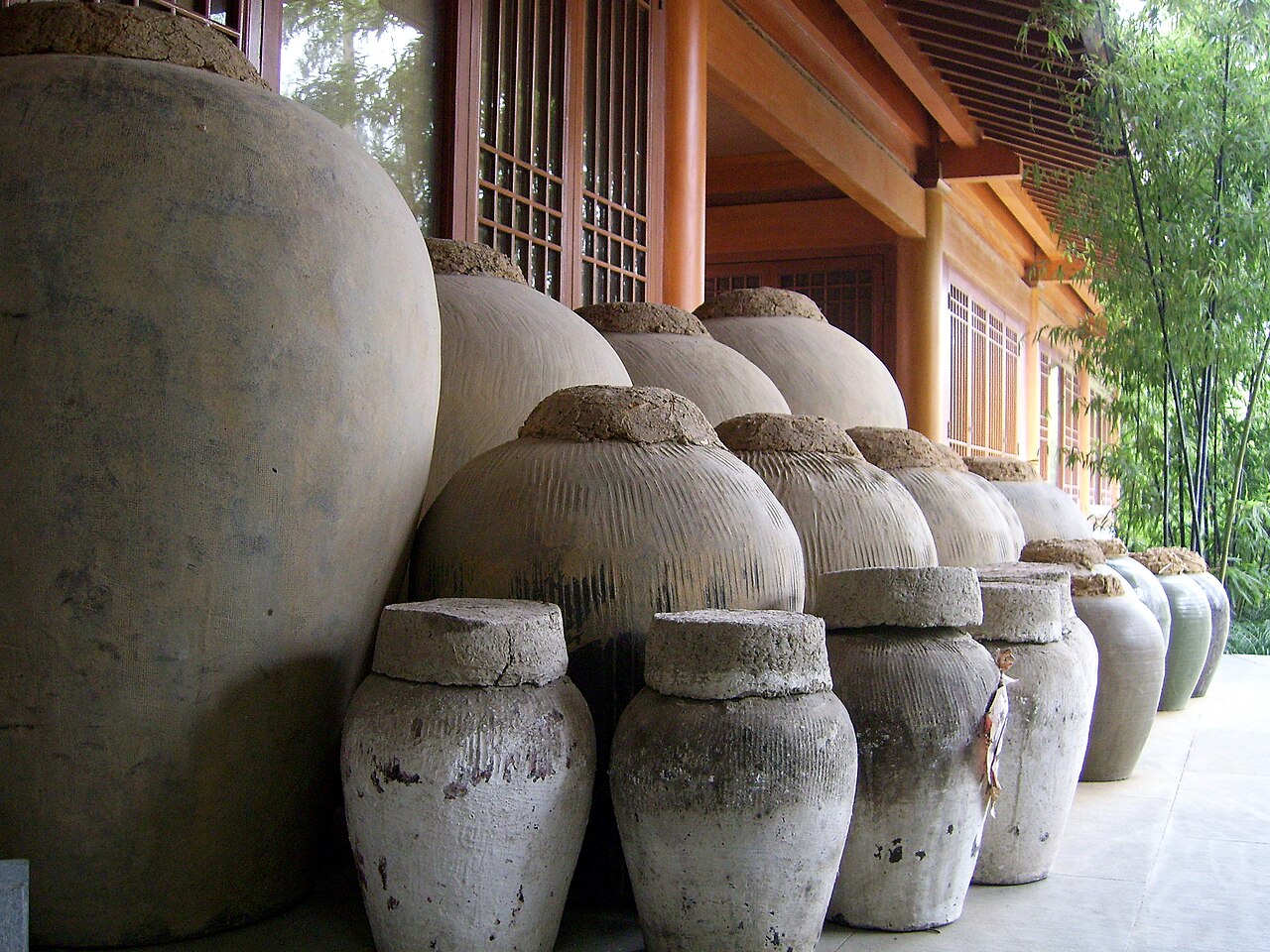
Discovery of late Stone Age jugs suggests that intentionally fermented drinks existed at least as early as the Neolithic period. The oldest evidence of beer-like fermentation has been found in a prehistoric burial site in a cave near Haifa in modern-day Israel. The traces of a wheat-and-barley-based alcohol were found in stone mortars carved into the cave floor. Note that this is not a 'brewery' in the sense of a dedicated facility, but rather evidence of early fermentation. Examination and analysis of ancient pottery jars from the neolithic village of Jiahu in the Henan province of northern China revealed residue left behind by the alcoholic drinks they had once contained.
Reader's Guide
Alcoholic beverages have a long history, with evidence of intentionally fermented drinks dating to the Neolithic period. Alcoholic beverages are classified into beers, wines, and spirits, with alcohol content typically between 3% and 50%. They are consumed for psychoactive effects, but alcohol is a depressant and a group 1 carcinogen. Long-term use can lead to alcoholism, cancer, cardiovascular disease, and physical dependence. Humans are the only species known to produce alcoholic drinks intentionally.
Classification, Psychoactive Effects, and Global Scale
A drink is classified as alcoholic simply by the presence of alcohol in its composition. These beverages—often called strong drinks—are conventionally sorted into three broad categories: beers, wines, and spirits, with alcohol by volume typically ranging from 3% to 50%. The precise threshold separating an alcoholic from a non-alcoholic drink is not universal; some countries set the cutoff at 0.5%, below which a beverage is treated as non-alcoholic. The chief reason people reach for these drinks is the psychoactive effect they produce. Alcohol acts as a depressant on the central nervous system. In modest quantities it can elevate mood, ease tension, and encourage sociability; in larger doses it brings on intoxication, stupor, unconsciousness, or a potentially fatal overdose. Alcohol stands among the most widely consumed recreational substances on Earth, with approximately one-third of all humans currently drinking it. The commercial footprint is staggering: the global alcoholic beverage industry crossed the $1.5 trillion mark in 2017.
Archaeological Traces of Ancient Fermentation
The archaeological record pushes the story of deliberate fermentation far deeper than most people imagine. In a prehistoric burial cave near Haifa, modern-day Israel, researchers identified residue of a wheat-and-barley-based alcoholic drink roughly 13,000 years old, preserved in stone mortars carved into the cave floor. The brew may have been prepared for ritual feasts honoring the dead. In northern China's Henan province, chemical analysis of residue inside pottery jars from the Neolithic village of Jiahu confirmed a mixed fermented drink combining grape and hawthorn fruit, honey mead, and rice beer, produced between 7000 and 5600 BC. The large number of such jars scattered across the village suggests alcohol was a dietary staple. In the South Caucasus, the earliest clear evidence of winemaking has been dated to 6000–5800 BCE in Georgia, where grape pips of a cultivated variety and pottery depicting celebrating human figures were unearthed near Neolithic settlements. The earliest unambiguous chemical evidence of barley beer comes from Godin Tepe in the Zagros Mountains of western Iran, dating to approximately 3500–3100 BCE.
Alcohol in Sumerian and Egyptian Society
In Sumerian civilization, alcohol threaded through nearly every dimension of daily and sacred life. Archaeological finds and ancient documentation attest to its popularity and abundance, while access was carefully regulated: the social elite indulged freely, and the drink also served as sacrificial offerings to the gods. The epic of Gilgamesh captures this cultural weight—Enkidu, the wild man, drinks seven jugs of beer, becomes elated, and sings with joy, while other characters reserve alcohol for celebratory occasions. The new year festival included a ceremonial reenactment of the drunken union between the king of Uruk and the high priestess of Ishtar, the goddess of procreation, symbolizing the genesis of Ninkasi, the beer goddess. A hymn dedicated to Ninkasi even details the brewing process: fermenting bread, adding grapes and honey, and straining the unfiltered brew through reeds. In Egypt, a brewery at Hierakonpolis dating to around 3400 BCE could produce up to 1,135 litres of brew per day. Wine, imported from the southern Levant, was a mark of royal power—nearly 700 jars were found in the tomb of the Scorpion king—while beer was the everyday drink of common people. Pyramid builders at Giza received a daily ration of nearly four litres, and modern reproductions of the ancient recipe yielded a brew at about 5% ABV.
Regulation, Health Risks, and the Temperance Debate
Alcoholic beverages occupy a complex legal and medical landscape. Most countries govern the production, sale, and consumption of alcohol through specific legislation, often mandating that product labels display the alcohol percentage as ABV or proof and include a health warning. A smaller number of nations prohibit consumption outright, though alcohol remains legal in most parts of the world. The temperance movement, which advocates against the use of alcoholic beverages, has long been part of this regulatory and cultural conversation. On the medical side, alcohol is classified as a group 1 carcinogen. Long-term use is linked to alcoholism, an elevated risk of developing several types of cancer, cardiovascular disease, and physical dependence. In 2023, the World Health Organization published a statement asserting that no quantity of alcohol consumption is free from health risk, with danger beginning at the very first sip. Beyond humans, several other animal species react to alcohol in ways similar to ours and will seek it out again if given the opportunity; yet humans remain the only species known to produce alcoholic drinks deliberately.
Gallery

Frequently Asked Questions
What exactly counts as an alcoholic beverage?
It is any drink containing ethanol, generally sorted into three broad families: beer, wine, and spirits. Alcohol content typically falls between 3 % and 50 %, although the legal cutoff for calling a drink 'alcoholic' shifts from one country to the next.
What are the three main classes of alcoholic beverages?
The standard split is beers, wines, and spirits, each defined by a different production method and typical strength. Spirits sit at the upper end of the 3-to-50 percent range, while beers usually land closest to the low end.
More in Food And Drink 1-24
Elsewhere in the Food And Drink universe
Spotted an error? Know more?
This is a living reference — every entry is fact-audited, and reader corrections feed straight into our audit queue. Suggest an edit · See this site's audit record