
Beef
Beef is meat from cattle, widely consumed but environmentally impactful, ranking as the fourth most consumed meat globally.

Louiesemendez · CC BY-SA 4.0
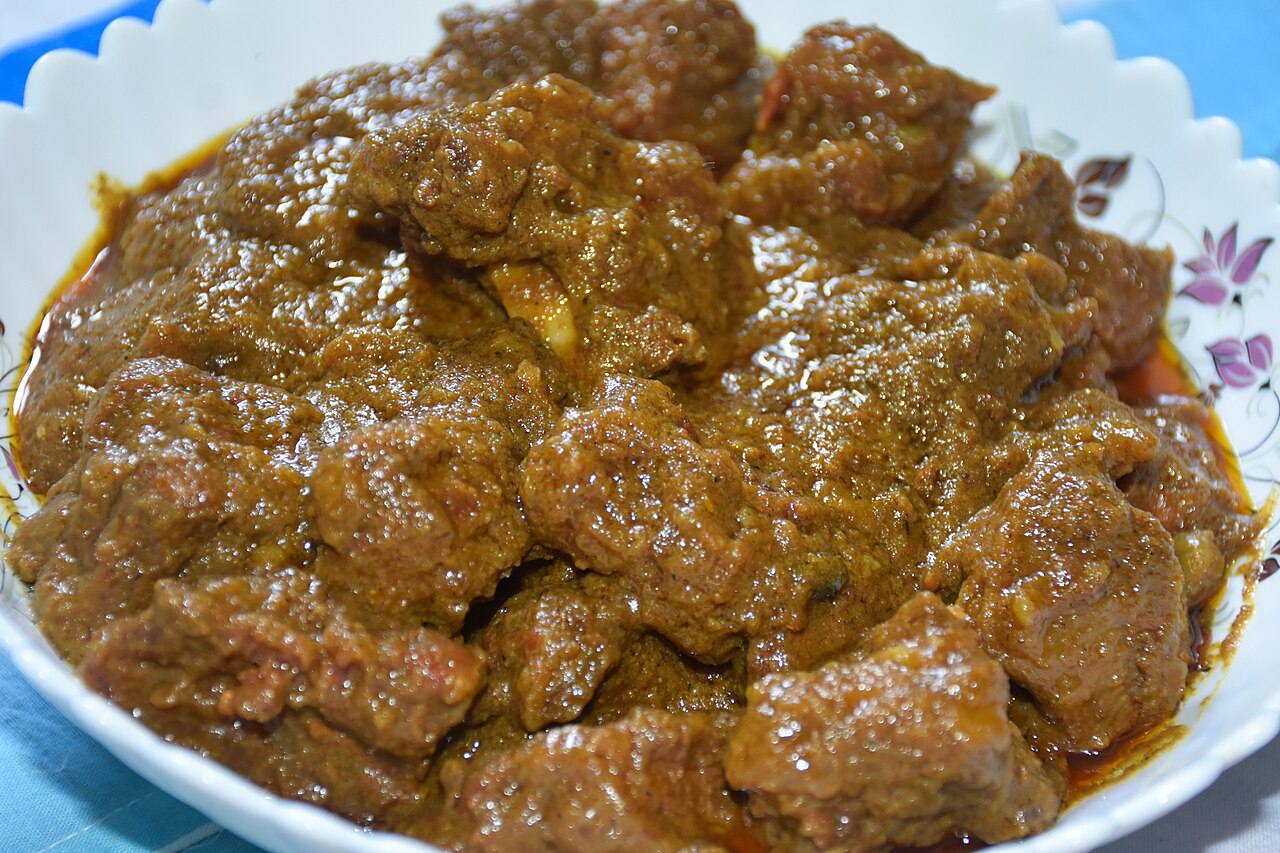
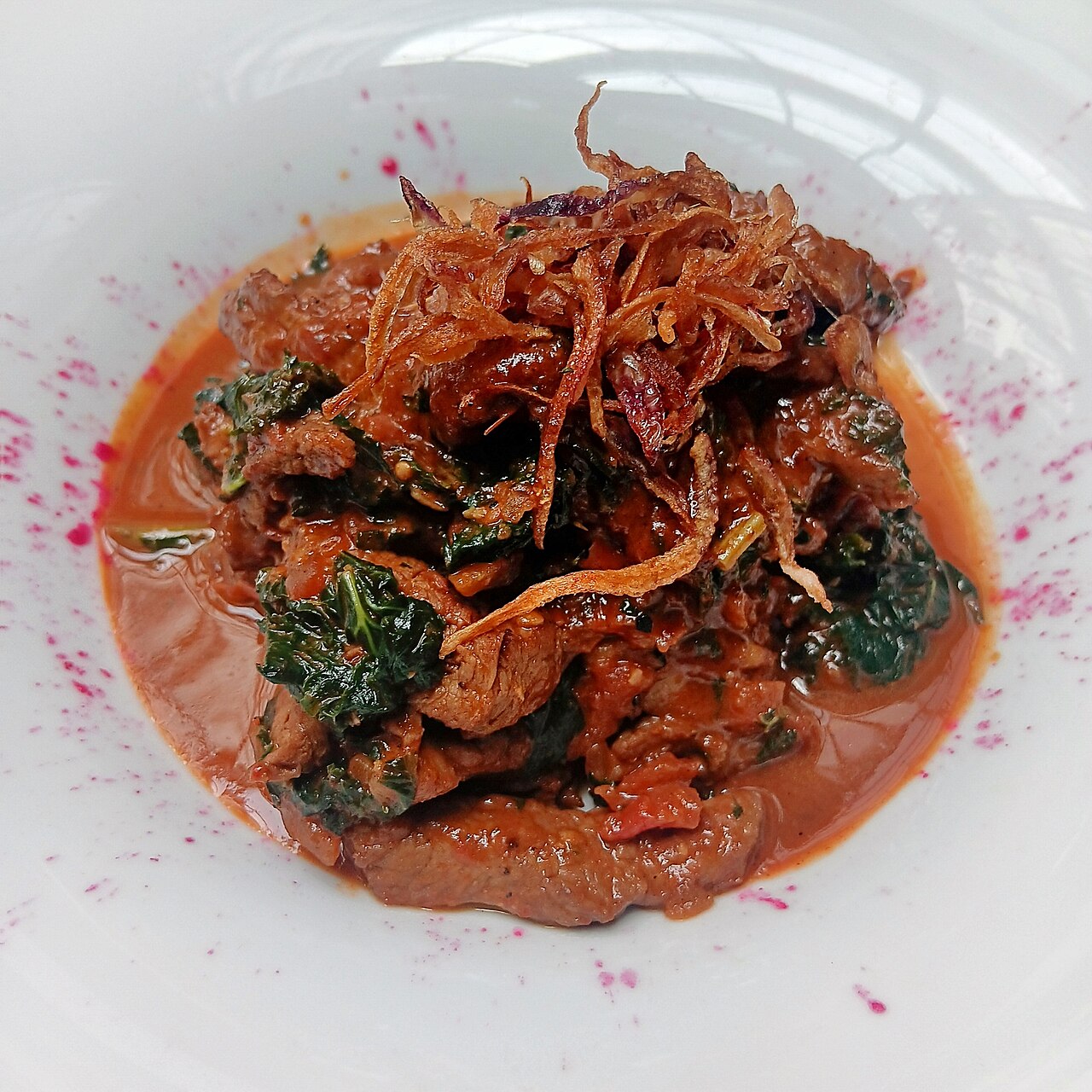
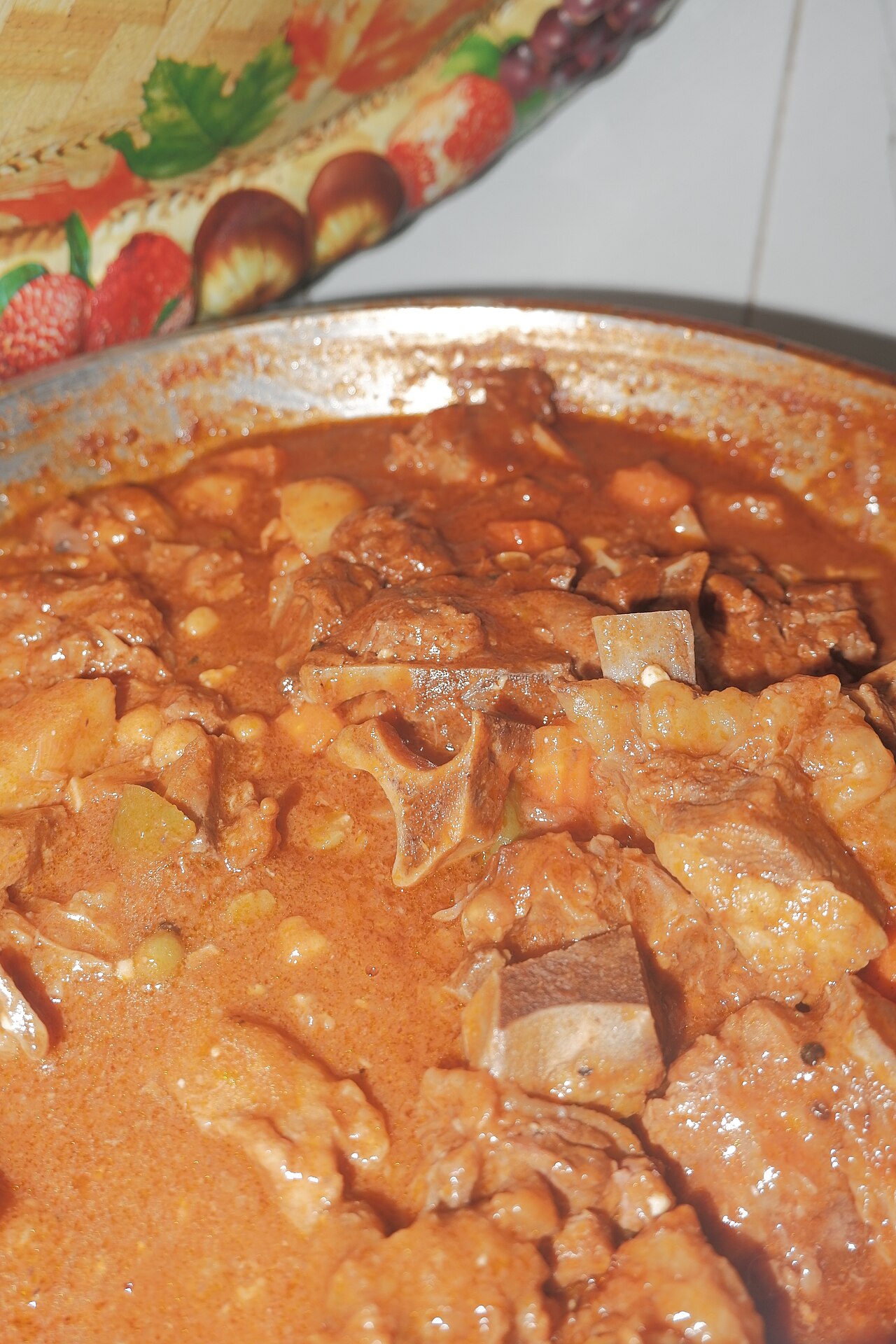
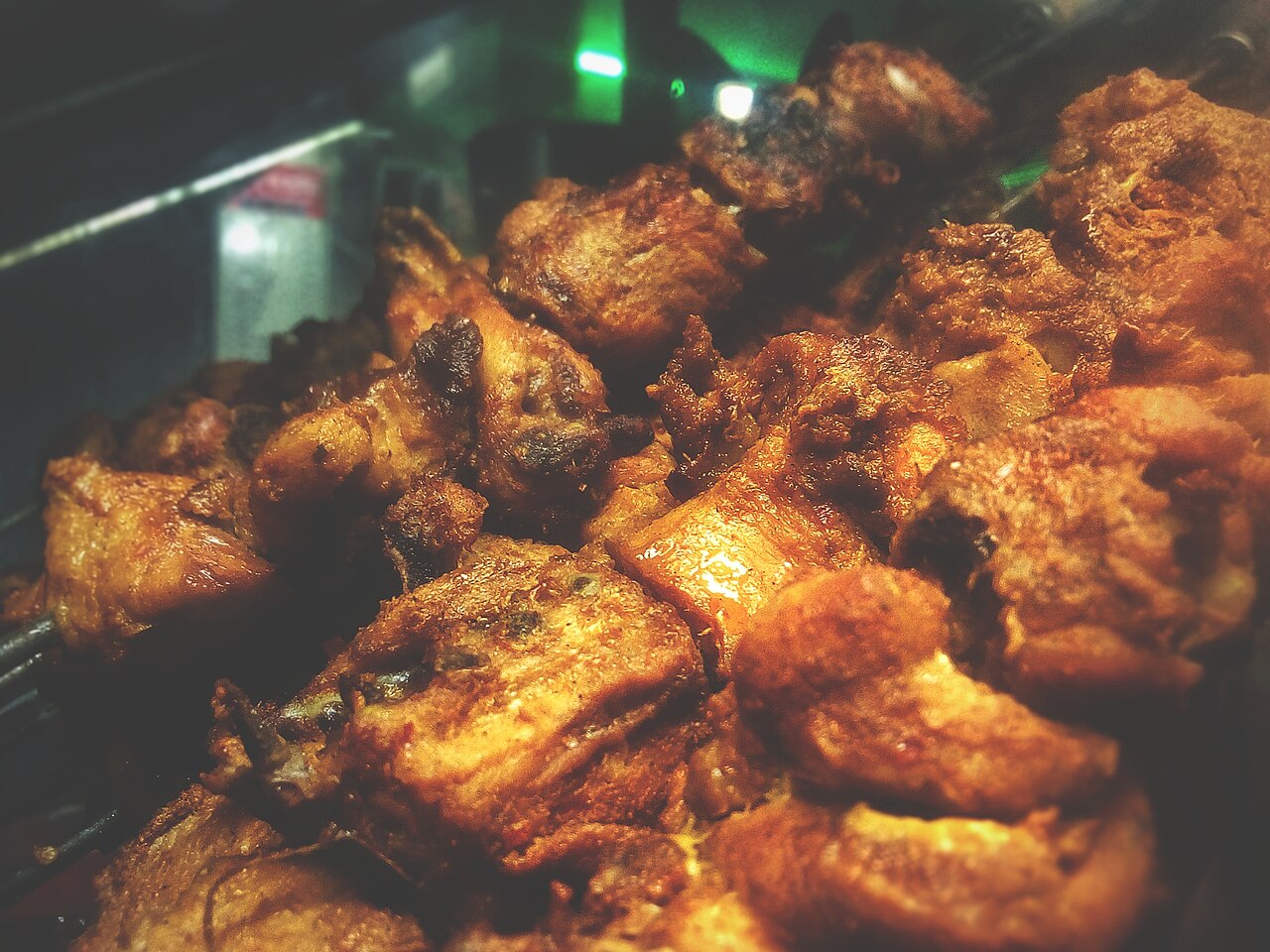
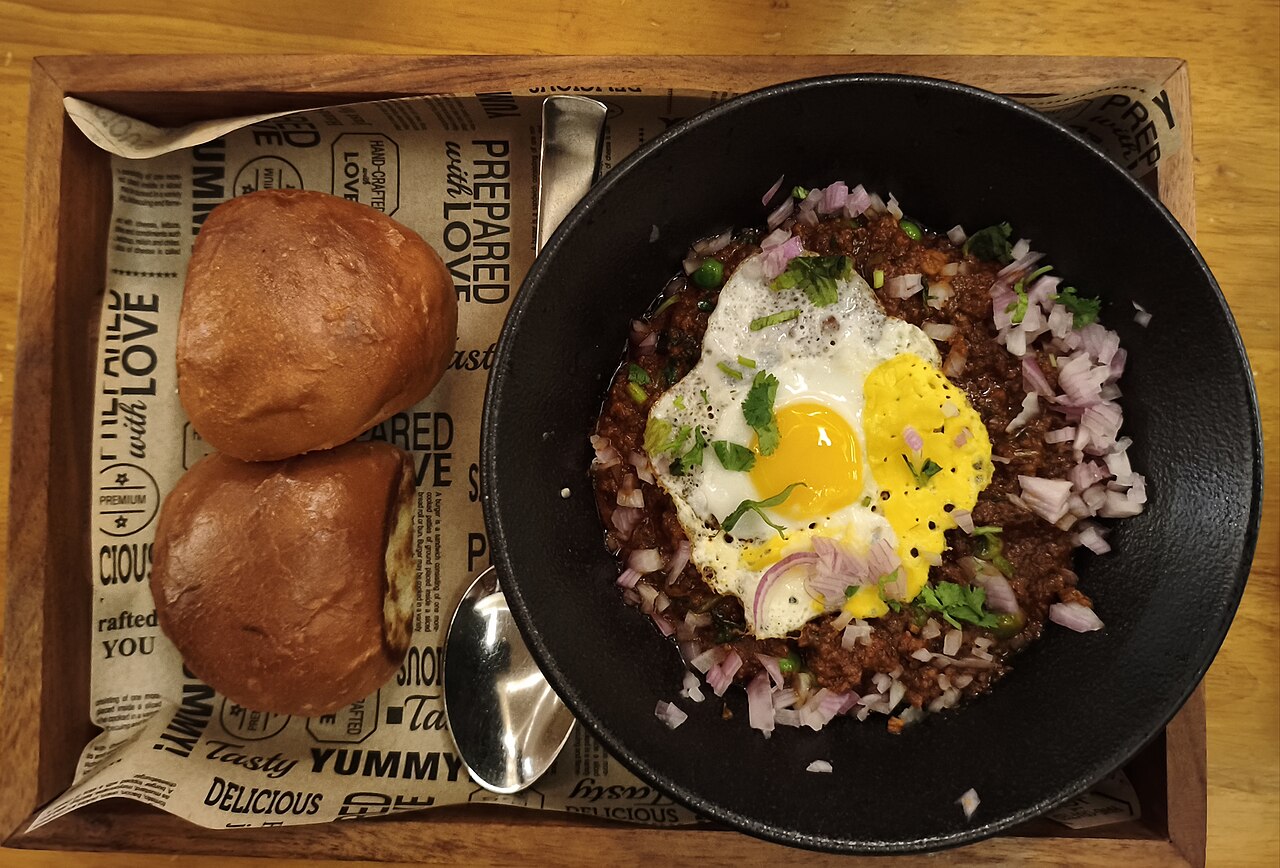
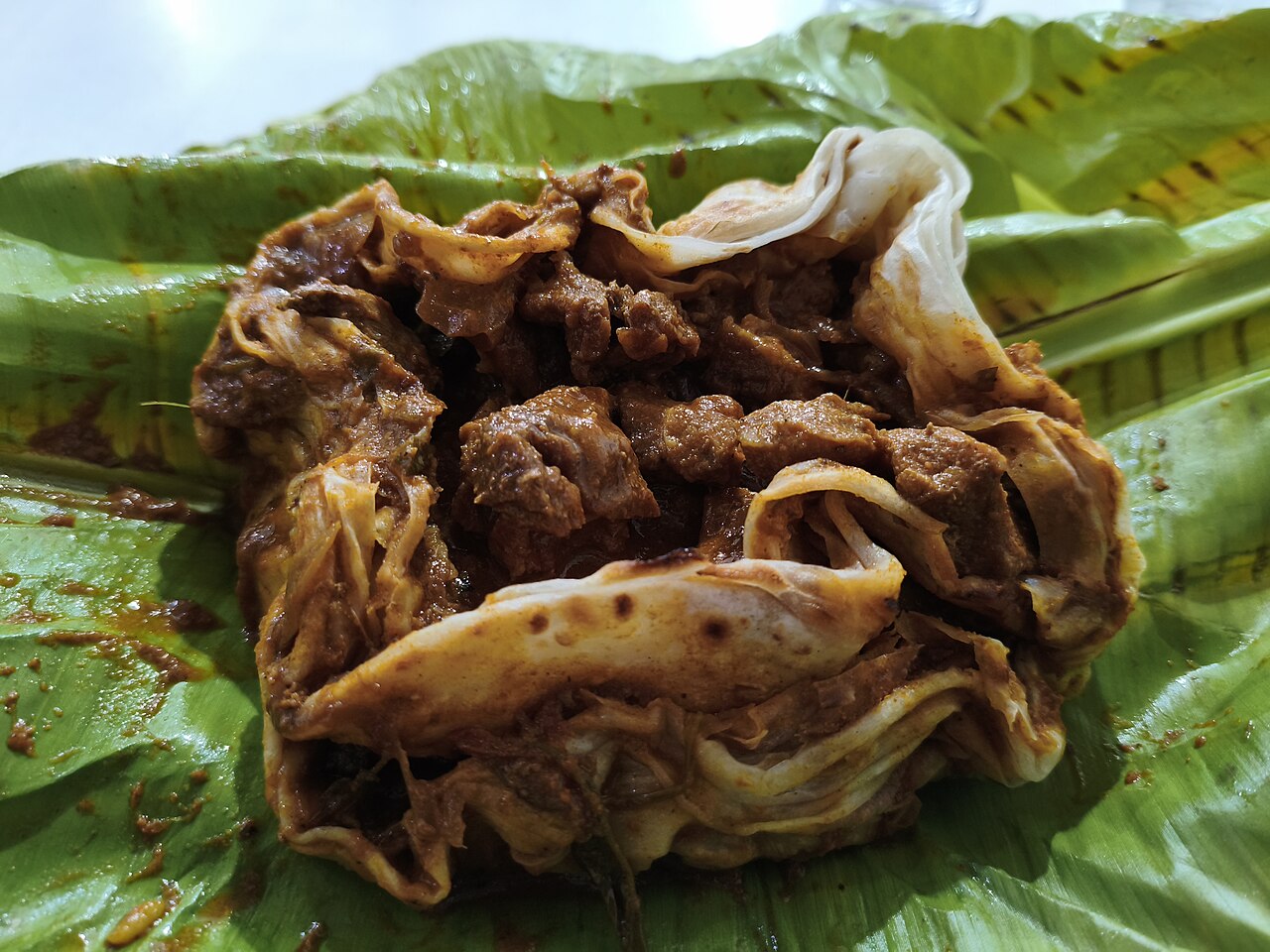
Beef is the culinary name for meat from cattle (Bos taurus). It is typically the fourth most widely consumed meat in the world, after pork, poultry, and often sheep or goat depending on the year and region, and is a significant source of protein, iron, and vitamin B12. Beef production has a high environmental impact, being a primary driver of deforestation and a major contributor to greenhouse gas emissions among agricultural products.
- known_for
- Fourth most consumed meat globally (after pork, poultry, and often sheep/goat); major environmental impact
- greenhouse_gas_contribution_2010
- ~2.5–3.5 billion tonnes CO2-equivalent (beef's share; the 9% figure typically applies to all livestock, not beef alone)
- global_land_used_for_livestock
- 26% of Earth's ice-free land used for livestock grazing, with about one-third of that for feed crop production
Lore & Background
People have eaten the flesh of bovines since prehistoric times, hunting aurochs and later domesticating them. Today, beef is produced via methods including feedlots, free range, and intensive animal farming, with Concentrated Animal Feeding Operations supplying a significant majority of cows in the US market.
Reader's Guide
Beef is significant both as a dietary staple and as a major environmental concern. It provides essential nutrients like protein, iron, and vitamin B12, but high consumption—especially of processed beef—is associated with increased risk of colorectal cancer and cardiovascular disease. Environmentally, beef production requires extensive land and water, contributes heavily to deforestation (especially in the Amazon), and emits the most greenhouse gases of any agricultural product. Some religions, such as Hinduism and Buddhism, prohibit or discourage beef consumption. The word 'beef' derives from Latin bōs, illustrating the English dichotomy between animal names (Germanic) and meat names (Romance).
Did You Know?
- Beef is typically the fourth most widely consumed meat in the world, after pork, poultry, and often sheep or goat.
- The word 'beef' comes from Latin bōs, while 'cow' comes from Middle English cou; both share the Indo-European root *gʷou-.
- Around 80% of deforested land in the Amazon is used for cattle ranching.
From Farmhouse Simplicity to Michelin Stars
Northern Irish cooking grew out of the practical needs of rural farming communities, where bread and potatoes formed the backbone of daily meals for generations. Because ingredients were scarce and immigration was minimal, the region remained largely cut off from broader international culinary currents, producing a cuisine that was modest in variety but deeply rooted in local habit. That isolation, while limiting, also allowed a distinct identity to crystallise around a handful of reliable preparations. In recent decades, however, the food landscape has shifted dramatically. The number and quality of gastropubs and restaurants have expanded considerably, and the region now counts two Michelin-starred establishments. Remarkably, both of these fine-dining venues build their menus around traditional dishes prepared with locally sourced ingredients, suggesting that the old farmhouse pantry still holds creative power. The trajectory from a restricted, self-sufficient diet to a celebrated regional cuisine illustrates how Northern Ireland has reclaimed and elevated its culinary heritage without abandoning its core ingredients.
The Bread Table and Its Cultural Layers
Bread occupies a central place in Northern Irish food culture, with a remarkable diversity of griddle and oven loaves. Potato bread, also called fadge or tatie bread, is a flat disc made from potato, flour, and buttermilk, cooked on a griddle. Soda bread, first baked in Ireland in the 1800s using baking soda as a leavening agent, is soft, thick, and fluffy, and is typically fried until golden as part of an Ulster fry. Wheaten bread offers a sweeter, whole-wheat contrast, while Veda bread is a small malted loaf enjoyed toasted with butter alongside a cup of tea. The Belfast bap is a large, crusty-yet-soft roll traditionally stuffed with sausages, bacon, and egg. Barmbrack, a yeast bread studded with sultanas and raisins and often flavoured with whiskey, is tied to Halloween celebrations. Perhaps most distinctively, Ulster Presbyterian communities maintain a tradition of unusual funeral sandwiches—grape and cheese, apple and Mars Bar, chicken and grape—that serve as markers of shared identity and remembrance within those congregations.
Savoury Traditions and the Sea
The Ulster fry is the most recognised traditional dish in Northern Ireland, though it was not originally a breakfast item; only in recent decades has it been marketed as the region's cooked breakfast. It is set apart from a standard full breakfast by its griddle breads—soda bread and potato bread fried to a crisp—alongside bacon, sausages, an egg, and, as a more modern addition, tomato and mushrooms, usually accompanied by tea and toast. Boxty, a dense potato cake from County Fermanagh made from an equal mix of cooked mash and grated raw potato, is boiled whole for hours, rested, then sliced and fried, often with bacon. Dulse, a seaweed snack, was originally harvested by fishermen as supplementary income during lean fishing seasons. Black and white puddings—blood sausages and their blood-free pork-and-oatmeal counterparts—are staples of the fry and chip shops. Northern Ireland's long coastline and large loughs supply abundant seafood, including smoked salmon and Irish oysters, with Royal Hillsborough hosting an annual oyster festival.
Sweets, Cheeses, and the Drinking Cupboard
Northern Irish confectionery carries its own vocabulary and history. Fifteens is a soft tray-bake cake named for its use of fifteen of each main ingredient—marshmallows, digestive biscuits, and cherries. The gravy ring, a dark, slightly crunchy sugar-dusted doughnut, takes its name from the archaic Ulster use of "gravy" to mean cooking oil. Paris buns, an Ulster-Scots sweetened bread cake shaped like a cone and topped with pearl sugar, and Florence cakes, a Madeira-style sponge in a pastry case with raspberry jam and a glace cherry, round out the sweet repertoire. Yellowman, a crunchy golden confection resembling honeycomb, is sold at local sweetshops and fairs. The region also produces distinctive cheeses including Blue Rathgore, Boilie, Causeway, Coleraine Cheddar, and Dart Mountain. In the drinking cupboard, Bushmills whiskey and brown lemonade hold particular local prominence, while black butter—a dark, spicy spread of apples, cider, and spices including liquorice—serves as a unique accompaniment across the table.
Gallery
Frequently Asked Questions
What exactly is Beef?
Beef is the edible flesh harvested from cattle, the species Bos taurus. It is one of the most recognizable and widely eaten meats across virtually every cuisine on the planet.
How does Beef rank among the world's most-consumed meats?
Globally it typically lands in fourth place, trailing pork, poultry, and—depending on the year and region—either sheep or goat. It is not the top meat everywhere, but it remains a staple in a huge number of food cultures.
What key nutrients does Beef supply?
It is a notably rich source of high-quality protein, iron, and vitamin B12. That is why it frequently appears in dietary guidance for people who need those specific micronutrients.
How much of the planet's land goes toward Beef production?
About 26 percent of Earth's ice-free land is used for livestock grazing overall, and roughly a third of that acreage is devoted to growing feed crops. Beef sits at the center of that land-use picture.
More in Food And Drink 1-24
Elsewhere in the Food And Drink universe
Spotted an error? Know more?
This is a living reference — every entry is fact-audited, and reader corrections feed straight into our audit queue. Suggest an edit · See this site's audit record